

At its core, custom CMS development means building a content management system from the ground up, designed specifically for your business. Instead of trying to force a generic, off-the-shelf product to fit your operations, you’re creating a digital foundation that is purpose-built for your exact workflows, integration needs, and long-term goals.
Building a Purpose-Built Digital Headquarters
Think of it like commissioning an architect to design your corporate headquarters versus just renting a standard office space. Sure, both give you a place to work, but only the custom building is truly engineered for your company’s unique operational flow, collaborative culture, and future expansion plans. Custom CMS development applies that same thinking to your digital presence.
This approach goes way beyond basic content management. It’s really about creating a central digital experience hub that can grow right alongside your ambition. For a large enterprise, this means architecting a platform that can manage a complex, multi-brand ecosystem and deliver highly personalized customer journeys across countless different touchpoints.
The Strategic Value of a Tailored CMS
The decision to invest in a custom CMS stems from the need for a definitive competitive edge. Generic solutions often force businesses into compromises—whether it's with clunky workflows, problematic data integration, or an inability to innovate. A bespoke system eliminates those roadblocks. To get a better handle on the basics, check out our guide explaining what is a CMS platform.
The benefits of a tailored approach are clear:
- Precision-Fit Workflows: Your business processes are unique, so your CMS should be too. A custom build lets you design content creation, approval, and publishing workflows that perfectly mirror how your teams actually work, which significantly boosts efficiency.
- Seamless System Integration: Enterprises depend on a complex web of systems—ERPs, CRMs, PIMs, and more. A custom CMS is architected from day one to integrate deeply with your existing tech stack, ensuring data flows freely and creating a single, reliable source of truth.
- Fortified Security and Compliance: For businesses in regulated industries like finance or healthcare, generic security protocols often fall short. Custom development allows you to build in security measures and compliance checks specifically designed to meet stringent industry standards.
The Role of Enterprise-Grade Frameworks
Now, building a custom CMS doesn't always mean starting from a completely blank slate. Leading platforms like Sitecore and SharePoint provide powerful, flexible frameworks that serve as a premier foundation for custom solutions.
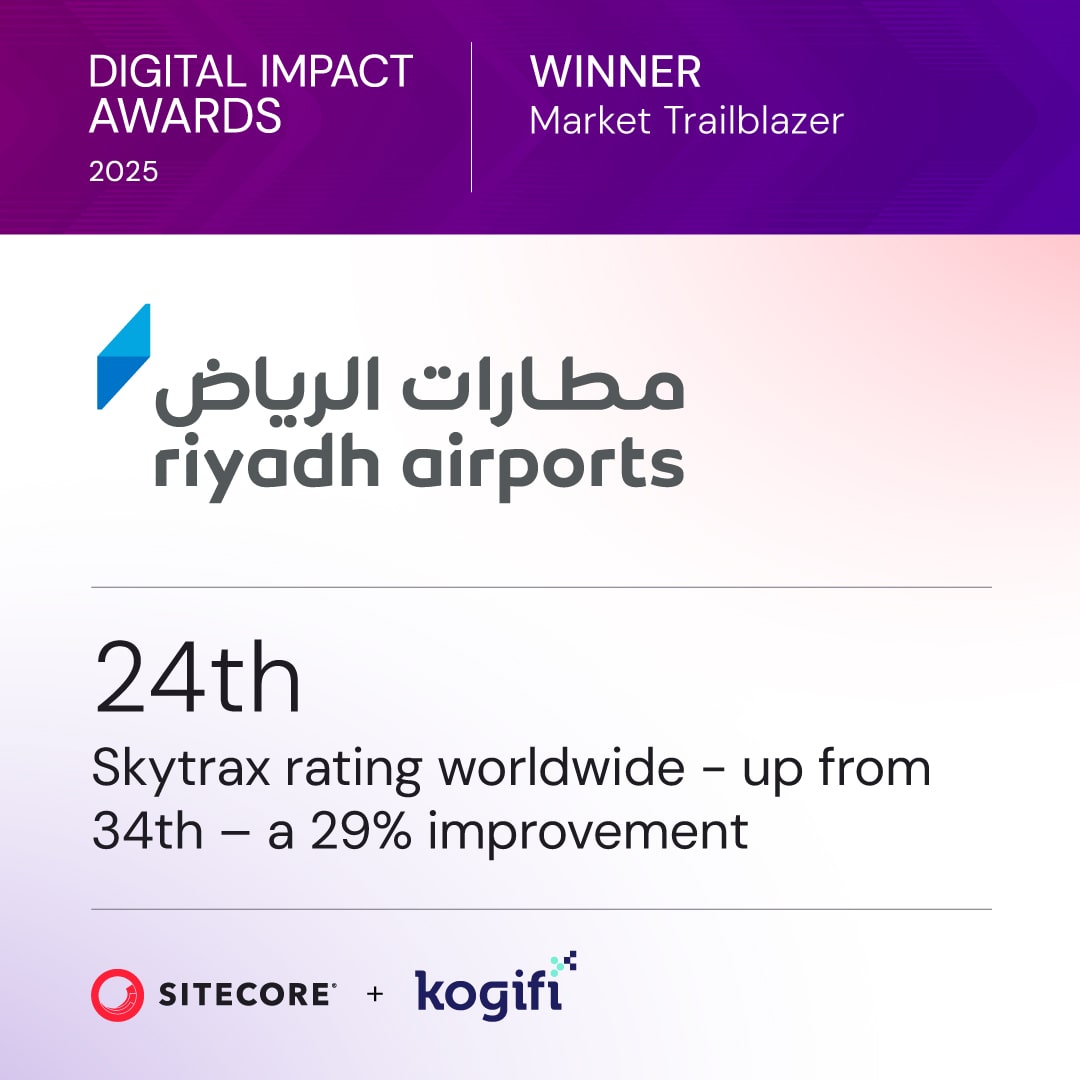
Sitecore, a leader in the digital experience space, offers a composable Digital Experience Platform (DXP) that allows enterprises to assemble a best-of-breed digital ecosystem. By building a custom solution on top of Sitecore's robust framework, you gain immediate access to its world-class personalization engine, analytics, and omnichannel content delivery, all while tailoring core functions to your precise business requirements.
In this context, customization isn't just about branding or a few feature tweaks. It’s about fundamentally shaping the platform's architecture and logic to solve unique business challenges that off-the-shelf software simply cannot address.
Similarly, SharePoint is a formidable platform for creating custom internal solutions, like intranets and document management systems. Its robust security and deep integration with the Microsoft 365 suite make it the perfect starting point for bespoke solutions that enhance internal collaboration and knowledge sharing. By developing custom web parts and extensions, organizations can transform SharePoint into a tool that perfectly aligns with their internal processes, driving productivity and ensuring enterprise-wide alignment.
Choosing Your Path: Custom vs. Off-the-Shelf
Sooner or later, every business faces a fork in the road with its digital platform: build a custom CMS or buy an off-the-shelf solution? This isn’t just about technology; it’s a strategic decision that will define your digital agility for years to come.
While pre-packaged products promise a quick start, a custom CMS development journey delivers long-term strategic value that’s impossible to ignore, especially for businesses with unique or complex needs. In many enterprise scenarios, "custom" isn't a luxury—it's the only viable path forward.
When Custom Development Is Non-Negotiable
For some businesses, a standard CMS is simply not an option. For global conglomerates managing dozens of brands, each with its own content, audience, and regional regulations, a one-size-fits-all system is a recipe for chaos. A custom CMS, powered by a robust platform like Sitecore, can be engineered to master that complexity, providing strong central governance while giving regional marketing teams the autonomy they need to be effective.
Deep integration with proprietary business systems is another classic driver. If your entire operation runs on a custom ERP, a legacy CRM, or specialized inventory software, a generic CMS will always feel disconnected. A custom-built system, however, is designed from day one to speak the same language as your essential tools, creating a truly unified operational backbone.
Finally, companies in heavily regulated industries like finance or healthcare cannot afford to gamble with generic security plugins. A custom solution, often built on a powerhouse framework like SharePoint, allows for compliance and security protocols to be baked right into the core architecture, ensuring data integrity from the ground up, not as an afterthought. For a deeper dive, check out our guide on choosing between open-source and proprietary CMS options.
Comparing the Strategic Tradeoffs
The choice really boils down to balancing today's needs with tomorrow's ambitions. It’s helpful to understand the practical aspects of building bespoke systems, and these custom API solutions for SMBs offer insights into the development process.
To make the decision clearer, let's break down the key differences between the two approaches.
Custom CMS vs. Off-the-Shelf: A Strategic Comparison
Ultimately, a custom solution isn't just another piece of software.
A custom CMS isn't just a content tool; it's a strategic asset. It's built to align perfectly with your operational reality and growth trajectory, turning your digital platform into a source of competitive advantage.
Companies investing in custom CMS solutions built on enterprise platforms often report significant improvements in workflow efficiency and content deployment speed. The primary driver for choosing custom is frequently scalability—it's about building a foundation for future growth, not just solving today's problems.
Architecting a Powerful Digital Experience with Sitecore

When custom CMS development must evolve from managing a single website to orchestrating an entire digital ecosystem, Sitecore takes center stage. It is far more than a content management system; it’s a fully composable Digital Experience Platform (DXP) architected for enterprises demanding granular control, immense scalability, and profound personalization capabilities.
Sitecore's composable architecture is its key differentiator. Imagine building with high-tech, interoperable components. Instead of being locked into a monolithic, all-in-one platform, you can select and integrate best-in-class tools for each function—content, commerce, analytics—and connect them seamlessly. This provides unparalleled flexibility, allowing your digital stack to evolve in lockstep with your business strategy.
The Power of a Composable DXP
Sitecore’s core philosophy is to empower businesses with the freedom to build their ideal digital platform without compromise. This means you can integrate the CRM you already trust, your preferred e-commerce engine, or specialized analytics tools directly into the DXP. The result is a unified system that maximizes the value of your existing technology investments.
This approach is also essential for future-proofing your digital presence. As new channels emerge—from IoT devices to augmented reality—a composable DXP can adapt and integrate with them effortlessly. It’s about building a foundation that’s ready for what’s next, not one that requires a complete overhaul every few years.
At its heart, Sitecore’s composable DXP empowers organizations to move from simply managing web pages to actively engineering customer journeys across every digital touchpoint, ensuring a consistent and engaging brand experience.
Headless Content Delivery with Sitecore XM Cloud
A cornerstone of this modern architecture is Sitecore XM Cloud. As a SaaS-based, cloud-native CMS, it fully embraces the headless model, which decouples the back-end content repository from the front-end presentation layer. In practical terms, your content team manages content in one central hub, and that content can be delivered via APIs to any channel—your website, a mobile app, a digital kiosk, or even a smartwatch.
This separation is a game-changer for developers. Your front-end team can leverage modern JavaScript frameworks like React, Angular, or Vue.js to build exceptionally fast and engaging user interfaces without being constrained by the CMS. This accelerates development cycles and fosters creative freedom, leading to superior user experiences.
Furthermore, as a cloud-native SaaS product, XM Cloud provides automatic updates, robust security, and effortless scalability. It removes the burden of infrastructure management, allowing your teams to focus on creating business value instead of maintaining servers. For modern custom CMS development, that level of agility is indispensable.
Driving Engagement with AI-Powered Personalization
Sitecore Personalize is where the platform's true potential is unlocked. This powerful engine utilizes AI and machine learning to analyze user behavior in real-time, enabling you to deliver highly relevant content, offers, and recommendations to every visitor.
This capability transcends basic A/B testing. Sitecore Personalize can orchestrate complex, multi-step customer journeys that adapt dynamically based on a user's actions, historical behavior, and predictive analytics. For example:
- For an e-commerce site: It can display product recommendations based on browsing history or abandoned carts, while tailoring promotional banners to loyalty status.
- For a B2B company: It can surface the most relevant case studies and whitepapers based on the visitor’s industry, inferred from their IP address or previous downloads.
- For a financial institution: It can adjust on-site messaging and product suggestions depending on whether the user is a logged-in high-net-worth client or a first-time visitor researching mortgage rates.
Unifying the Ecosystem with Content Hub
The final piece of this powerful ecosystem is Sitecore Content Hub. This serves as the central command center for all your marketing content and digital assets. It is not merely a digital asset repository; it is a sophisticated platform combining Digital Asset Management (DAM), a Content Marketing Platform (CMP), and Marketing Resource Management (MRM).
Content Hub ensures brand consistency by making certain that every team across the organization uses the correct, approved versions of logos, images, and marketing copy. It also streamlines the entire content lifecycle, from ideation to publication. A solid plan is essential for this, and our guide on how to create a content strategy is an excellent starting point.
When Content Hub is integrated with XM Cloud and Personalize, it creates a seamless, end-to-end workflow. Marketers plan campaigns in Content Hub, authors create content in XM Cloud, and the platform delivers hyper-personalized experiences via Sitecore Personalize—all from one interconnected ecosystem. This is the hallmark of a mature, custom-architected digital platform.
Building Collaborative Platforms with SharePoint
While platforms like Sitecore excel at crafting external-facing digital experiences, custom CMS development is equally critical for internal operations. This is where SharePoint provides the robust framework for custom internal platforms that organize knowledge, secure information, and unite distributed teams.
SharePoint's true power lies not in its out-of-the-box intranet functionality, but in its flexibility as a foundation for custom document management systems, collaborative project hubs, and specialized departmental portals. The objective is to build a central digital workspace that reflects how your organization actually operates, thereby enhancing efficiency and breaking down information silos.
Transforming Internal Operations with SharePoint
The value of a custom SharePoint solution comes from its ability to target and resolve specific operational challenges. While off-the-shelf internal tools often impose rigid structures, a SharePoint environment can be molded to support your unique workflows, approval chains, and compliance requirements.
This is achieved by developing custom web parts and extensions that build upon SharePoint’s native capabilities to solve precise business problems.
- For a legal department: A custom document portal can be built with strict version control, granular access permissions, and automated compliance checks for managing sensitive contracts.
- For a project management office: A custom project site template could integrate with other tools, display real-time dashboards, and automate task notifications to keep complex projects on track.
- For human resources: An employee onboarding portal can deliver personalized checklists, training materials, and company resources, creating a consistent and efficient experience for every new hire.
These custom solutions establish a clear process for transforming complex internal operations into a productive cycle of streamlining work, sharing knowledge, and boosting team output.
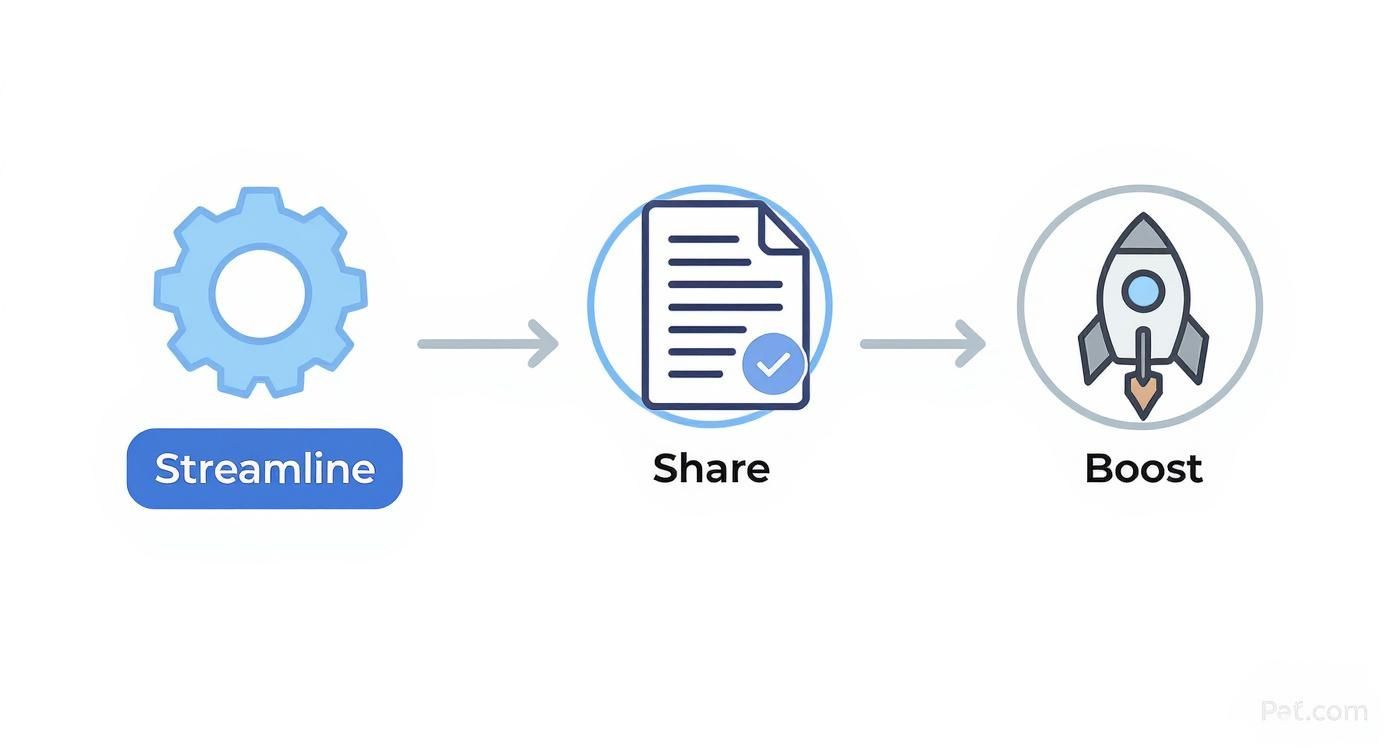
This flow illustrates how a custom platform transforms internal processes, simplifying workflows and amplifying team capabilities.
The Microsoft 365 Advantage and Cloud Integration
One of SharePoint’s greatest strengths is its seamless integration with the Microsoft 365 ecosystem. It works natively with the tools your teams use daily, such as Teams, Outlook, and the Office suite. This creates a connected work environment where information flows frictionlessly between applications, enhancing overall productivity.
This move toward integrated, cloud-based platforms is a significant market trend. According to Coherent Market Insights, cloud-based CMS solutions command a majority of the market share, driven by their scalability, cost-effectiveness, and collaborative power. They eliminate the need for large upfront infrastructure investments and enable real-time collaboration for remote teams—a necessity for modern businesses.
When you build on SharePoint, you aren't just getting a CMS. You're tapping into an entire ecosystem built for enterprise-grade security, collaboration, and productivity, all managed within a familiar, trusted environment.
This deep integration, combined with robust enterprise-level security features, makes SharePoint a premier choice for organizations handling sensitive data. The ability to manage permissions, audit trails, and data governance policies with precision is a key reason it remains a top choice for custom internal platforms in regulated industries. For those looking to build these kinds of systems, you can learn more about our expertise with custom SharePoint solutions.
Ultimately, custom SharePoint development is about creating a secure, efficient, and deeply collaborative digital workplace that is perfectly tailored to your business's unique operational DNA.
The Custom CMS Development Journey From Plan to Platform
Building a custom CMS isn't an aimless wander; it's a structured journey. A successful project follows a clear, transparent roadmap that takes a business vision and turns it into a living, breathing platform. This process ensures every decision is intentional and every component serves a real purpose.
This lifecycle is about so much more than just writing code. It’s a deeply collaborative effort that kicks off with discovery and strategy, laying the foundation for everything that follows.
Discovery and Architectural Design
This initial phase is the most critical. It’s where stakeholders, business analysts, and architects all come together to define the "why" behind the project. Think of it as mapping the territory—charting user journeys, pinpointing key business objectives, and identifying all the necessary system integrations. This is also where the foundational technology stack is chosen.
A huge decision here is whether to go with a traditional, coupled architecture or a modern headless approach. For an enterprise that needs to push content to a website, mobile apps, and in-store displays, a headless architecture like Sitecore XM Cloud is almost always the better choice. It just offers unbeatable flexibility and omnichannel reach.
UX UI Design and Technology Selection
With a solid strategy in hand, the focus shifts to the user experience (UX) and user interface (UI). This phase is all about translating those business requirements into intuitive wireframes, mockups, and interactive prototypes. The goal is to create a seamless experience for two very different groups: the end-user on the front end and the content editor in the back end.
The technology stack is also finalized here, locking in the programming languages, frameworks, and database solutions. As you get started on your custom CMS development journey, it's a good idea to implement strategies to reduce software development costs without cutting corners on quality.
Agile Development and Rigorous Testing
Most modern development follows an agile methodology, breaking the massive project into manageable two-to-four-week "sprints." Each sprint delivers a small, functional piece of the platform, which allows for constant feedback and quick adjustments. This iterative process is brilliant for preventing costly mistakes and ensuring the final product is a perfect match for business needs.
Quality Assurance (QA) isn't just a final checkbox; it’s baked into every single sprint. This includes:
- Functional Testing to make sure every feature works exactly as specified.
- Performance Testing to verify the platform can handle the expected traffic without breaking a sweat.
- Security Testing to find and patch any potential vulnerabilities.
- Usability Testing to confirm the interface is genuinely intuitive for all users.
This relentless testing cycle is what guarantees a stable, secure, and reliable launch.
A custom CMS is never truly "finished." The launch is just the beginning of its evolution. It's a living platform that needs ongoing support, maintenance, and iterative enhancements to keep up with changing business goals and user expectations.
Adopting this mindset is crucial for long-term success. The digital world is always in motion, and a custom platform is built to evolve right alongside it, ensuring it continues to deliver value for years to come. The demand for adaptable, custom-built solutions is clear, with the headless CMS segment showing particularly strong growth projections, reflecting the enterprise need for flexible, future-proof architectures.
Common Questions About Custom CMS Projects
If you're considering a custom CMS, you've probably got some big questions. That's a good thing. Getting straight answers is the only way to make a smart decision, especially when it comes to enterprise platforms like Sitecore and SharePoint. Let's tackle some of the most common ones.
What Are the Main Drivers for Choosing a Custom CMS?
It usually boils down to a few key needs: unique functionality that off-the-shelf products can't deliver, deep integrations with core business systems (like your ERP or CRM), or non-negotiable security and compliance demands.
While a standard CMS is a decent starting point, a custom build on a platform like Sitecore lets you create tailored workflows and highly personalized customer experiences at a massive scale. You can build a composable architecture that grows with your business, not one that's stuck on a vendor's roadmap. It's about engineering a genuine competitive advantage, not just managing content.
How Long Does a Custom Sitecore or SharePoint Project Take?
The timeline depends entirely on the complexity. For instance, a foundational SharePoint intranet for internal collaboration might take 3-6 months to get up and running.
On the other hand, a full-blown, enterprise-level Sitecore DXP implementation is a much bigger undertaking. With multiple system integrations, complex personalization rules, and dozens of websites to manage, you could be looking at a timeline of 6 to 18 months, sometimes even longer. These projects move through detailed phases—discovery, architecture, design, development, testing, and migration—often with an agile approach to deliver value piece by piece.
A common misconception is viewing custom development as a single, monolithic task. It’s better understood as a series of well-defined phases, each building upon the last, allowing for flexibility and continuous alignment with business goals throughout the project lifecycle.
Is a Headless CMS Architecture Always the Best Choice?
A headless architecture, like you’d find with Sitecore XM Cloud, is fantastic if your goal is to push content everywhere—websites, mobile apps, IoT devices, you name it. It gives your front-end developers the freedom to use whatever technology they want.
But it’s not a silver bullet for everyone. A traditional, coupled CMS can be simpler and more cost-effective if your primary focus is a single website with straightforward content needs. The right answer really hinges on your long-term digital strategy, the technical skills of your team, and how ambitious your omnichannel plans are.
What Ongoing Support Is Needed After Launching a Custom CMS?
The launch is just the beginning. A custom CMS is a living, breathing asset that needs ongoing attention to keep delivering value. Here's what that support typically looks like:
- Security and Maintenance: This is non-negotiable. It means constant security monitoring, applying patches the moment they're released, and performing regular software updates. For platforms like Sitecore and SharePoint, this is critical to stay ahead of threats.
- Performance Optimization: You have to keep an eye on site speed, server response times, and database performance. Continuous monitoring ensures the platform stays fast and responsive for every user, every time.
- Feature Enhancements: A great partner doesn't just fix what's broken. They help you add new features, fine-tune your personalization strategies, and make sure the platform keeps up with your changing business goals.
- User and Technical Support: Your content editors need reliable support, and bugs will inevitably pop up. Having a team ready to jump on technical issues is crucial for smooth day-to-day operations and a solid return on your investment.
At Kogifi, we specialize in architecting and supporting enterprise-grade Sitecore and SharePoint solutions that drive real business results. If you're ready to build a digital platform that gives you a true competitive edge, let's start a conversation. https://www.kogifi.com